+3JD
Trusted by 12,000+ global enterprise leadersESG Consulting Services &Sustainability Solutions
Measure, manage and report environmental, social and governance performance with practical ESG consulting, carbon accounting, sustainability reporting and technology-enabled ESG management.
From ESG assessment and strategy to carbon data, reporting, governance and ongoing performance monitoring.
Why Choose ESG Solutions?
Discover the transformative benefits that ESG solutions bring to your business operations and stakeholder relationships.
Environmental Impact
Reduce your carbon footprint and implement sustainable practices that protect the environment while improving efficiency.
Social Responsibility
Build stronger communities and stakeholder relationships through ethical business practices and social initiatives.
Governance Excellence
Implement robust governance frameworks that ensure transparency, accountability, and long-term business sustainability.
Financial Performance
Drive better financial results through improved risk management, operational efficiency, and stakeholder confidence.
Compliance & Reporting
Stay ahead of regulatory requirements with comprehensive ESG reporting and compliance management solutions.
Stakeholder Trust
Build lasting trust with investors, customers, and partners through transparent and responsible business practices.
How We Implement ESG Solutions
01
ESG Assessment & Strategy
Evaluate your current ESG performance, identify key gaps, and build a practical sustainability strategy aligned with your business goals and industry requirements.
02
Framework Development
Develop structured ESG frameworks, policies, and measurable KPIs that help embed environmental, social, and governance principles across your organization.
03
Implementation & Training
Turn ESG strategies into action with implementation support, employee training, and clear processes that make sustainable practices part of everyday operations.
04
Monitoring & Reporting
Track ESG performance through meaningful metrics, automated insights, and transparent reporting to continuously improve impact and stay accountable.
Tools We Use for ESG Excellence
We leverage enterprise-grade ESG platforms, carbon accounting engines, and compliance tools to deliver measurable sustainability outcomes.
Scope 1, 2 & 3 Carbon Telemetry & Accounting Engine
Carbon Tracking & Scope 1–3 Accounting Engine
Autonomous IoT emissions synchronization, real-time GHG Protocol calculations, and predictive decarbonization modeling across complex global operational footprints.
01Telemetry & Ingestion
IoT & Direct Utility Telemetry
Continuous ingestion from 500+ facility nodes, smart sub-meters, fleet telematics, and direct utility API integrations with automated data validation.
02Calculation Engine
Dynamic GHG Protocol Factors
Automated application of location-based and market-based DEFRA, EPA, and IEA emission factor libraries with automated versioning and audit traceability.
03Assurance & Audit
Immutable Audit Verification
Sub-second audit trails documenting every calculation step, source evidentiary attachment, and historical adjustment for ISO 14064 third-party assurance.

ESG Consulting & Technology Capabilities
Assess ESG priorities, material topics, governance requirements and sustainability objectives, then translate them into an actionable roadmap.
ESG Strategy & Consulting
Develop and manage greenhouse-gas inventories covering applicable Scope 1, Scope 2 and Scope 3 emissions using documented methodologies.
Carbon Accounting
Structure ESG data collection, ownership, validation and workflows so information can be traced from source to reporting output.
ESG Data Management
Prepare sustainability and ESG reporting workflows aligned with the frameworks and disclosures applicable to your organization.
Sustainability Reporting
Turn ESG metrics into dashboards and management views that help teams monitor performance and identify gaps.
ESG Analytics & Dashboards
Support ESG governance, policy management, regulatory readiness and evidence collection for relevant requirements.
Governance & Compliance Support
Use integrations and automation to reduce manual data handling and improve the repeatability of ESG workflows.
ESG Automation
Materiality, ESG Strategy & Roadmapping
A practical ESG program starts by identifying the environmental, social and governance topics that matter most to the organization and its stakeholders.
Materiality Assessment
Identify and prioritize material ESG topics using business context, stakeholder input, risk and impact considerations.
ESG Roadmap
Translate material topics into priorities, owners, KPIs, timelines and implementation actions.
Governance
Define responsibilities, decision rights and review processes so ESG becomes part of normal business management.
Decarbonization Planning
Where applicable, connect emissions baselines and reduction opportunities to operational priorities and longer-term sustainability goals.
Carbon Accounting & Scope 1, 2 and 3 Emissions
Carbon accounting measures an organization’s greenhouse-gas emissions so the business can establish a defensible baseline, identify reduction opportunities and support sustainability reporting.
Direct Ownership
Scope 1
Direct Emissions
Account for direct greenhouse-gas emissions from sources owned or controlled by the organization, including on-site fuel combustion and company vehicles.
Indirect Energy
Scope 2
Purchased Energy
Account for indirect emissions associated with purchased electricity, steam, heat or cooling, using the applicable accounting methodology.
Upstream & Downstream
Scope 3
Value-Chain Emissions
Assess relevant value-chain emissions such as purchased goods and services, transportation, business travel, employee commuting and other applicable categories.
What You Receive From an ESG Consulting Engagement
Every engagement converts broad sustainability ambitions into verifiable, audit-ready deliverables tailored to your operational realities.
ESG Assessment
Current-state assessment, gap analysis and prioritized ESG action plan.
Materiality & KPI Framework
Material topics, ESG KPIs, data owners and measurement requirements.
Carbon Inventory
Documented Scope 1, Scope 2 and applicable Scope 3 inventory methodology and data structure.
Reporting Workflow
Defined data collection, validation, review and reporting process aligned to applicable requirements.
ESG Reporting Support
Structured reporting content and evidence organization for the frameworks and disclosures included in the engagement.
Dashboards & Management Views
Management-ready ESG metrics, trends and gap visibility where analytics are included.
Implementation Roadmap
Practical actions, responsibilities and priorities for ongoing ESG improvement.
ESG CONSULTING SERVICES
ESG Reporting &
Framework Alignment
ESG reporting requirements differ by organization, industry, geography and stakeholder expectations. We help structure ESG data and reporting around the applicable requirements.
Compliant& Transparent
Data-DrivenInsights
GlobalStandards
ExpertGuidance
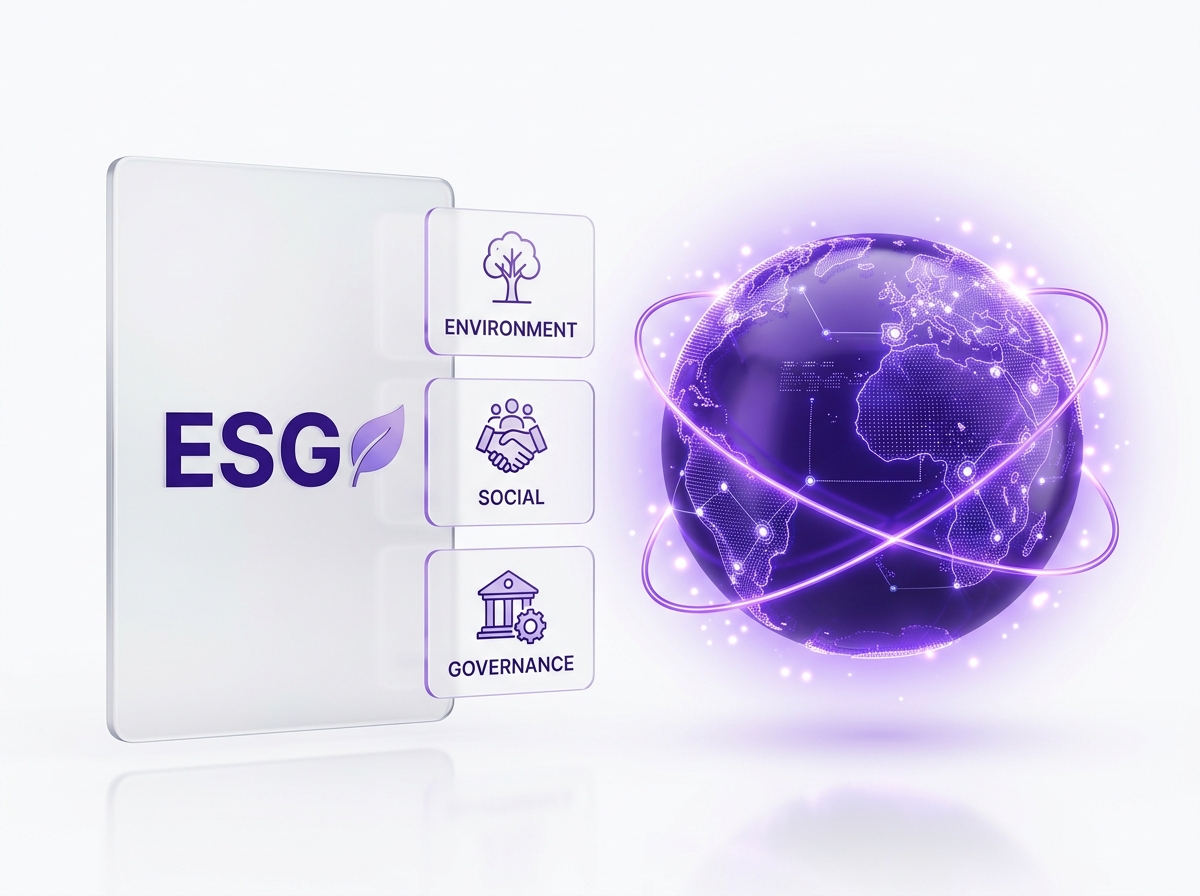
| RECOGNIZED STANDARDS
Global Frameworks We Support
We align your reporting with globally recognized ESG standards and frameworks to ensure credibility, transparency and long-term value.
GHG Protocol
Corporate Standard for Scope 1, 2 & 3 emissions.
ISO 14064
International standard for greenhouse gas verification.
MOST RELEVANT
GRI
Global Reporting Initiative sustainability standards.
SASB
Sustainability Accounting Standards Board industry metrics.
ISSB / IFRS
International Sustainability Standards Board disclosure rules.
India (BRSR / BRSR Core)
Support for Business Responsibility and Sustainability Reporting aligned with SEBI mandates for top listed companies and voluntary supply chain disclosure.
EU / North America (CSRD & SEC)
Preparation for Corporate Sustainability Due Diligence, CSRD / ESRS readiness, and jurisdiction-specific climate disclosures across North America.
ESG Data Management, Governance & Automation
Explainable, auditable data is the foundation of credible sustainability. Here is how information moves from source systems to board-ready disclosures.
01
Data Collection
Bring ESG information together from operational systems, spreadsheets, documents and other approved sources.
02
Validation
Define owners, validation checks and review workflows so data quality issues can be identified before reporting.
03
Calculation
Apply documented calculation methods, emission factors and assumptions appropriate to the selected metric or inventory.
04
Workflow Automation
Automate repeatable collection, approvals, reminders, calculations and reporting steps where practical.
05
Audit Trail
Maintain evidence, source information, assumptions, approvals and version history needed to support review and reporting.
06
Management Visibility
Provide dashboards and management views that connect ESG metrics with operational decisions and improvement priorities.
Who Can Benefit From ESG Consulting Services?
We help technology and business leaders identify where ESG data, carbon accounting, and reporting automation create measurable value from strategy to production.

Growth Stage
Growing Businesses
Organizations building their first structured ESG program, baseline GHG emissions footprint, and sustainability reporting roadmap.

Multinational
Global Enterprises
Multinationals managing complex ESG data, multi-jurisdiction disclosures, and operational metrics across diverse business entities.

Operations & Plant
Manufacturing & Industrial
Connecting operational data, plant energy telemetry, emission tracking, and resource efficiency for real-time sustainability management.
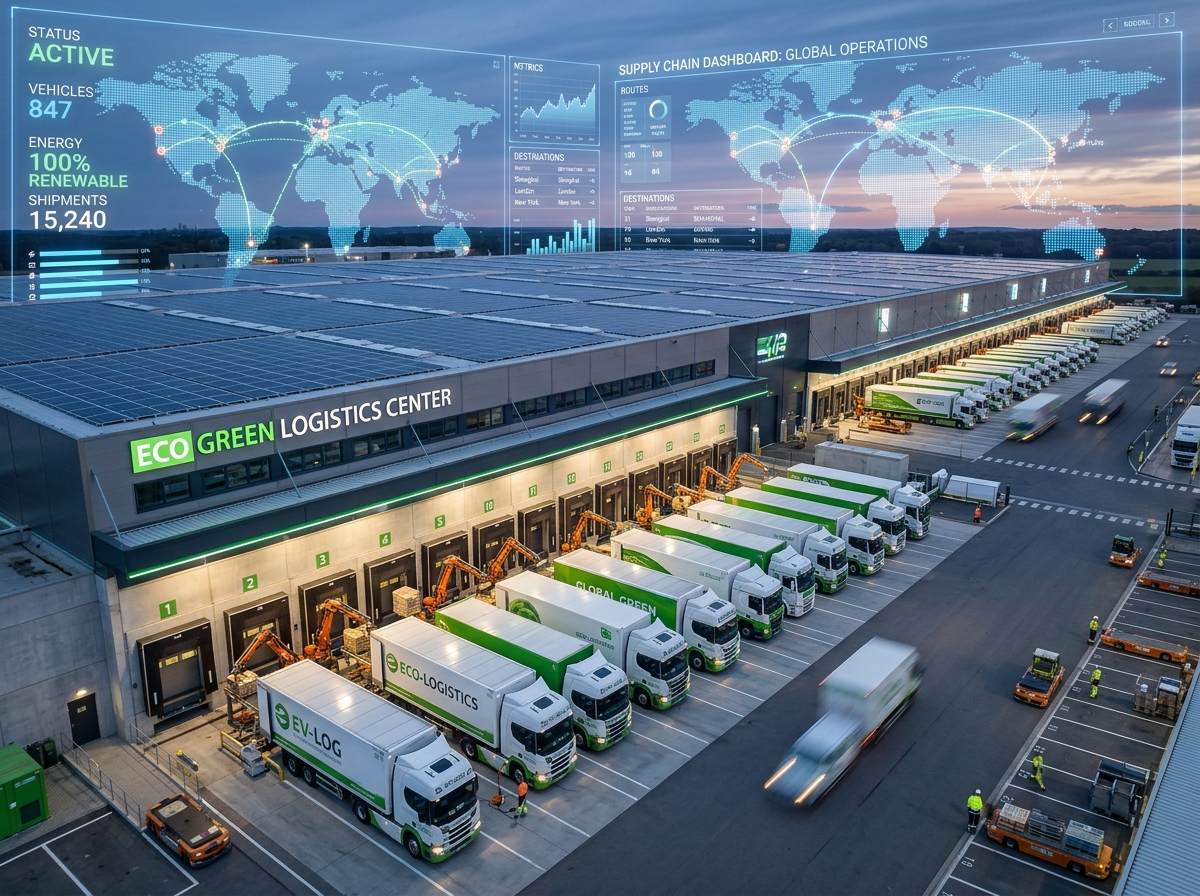
Scope 3 & Freight
Supply-Chain & Logistics
Automating supplier disclosures, multi-tier freight logistics tracking, and end-to-end Scope 3 carbon footprint calculations.

CSRD & Audits
Regulated & Reporting-Driven
Preparing rigorous, audit-ready disclosures aligned with CSRD, SEC climate rules, ISSB, and CDP global disclosure frameworks.
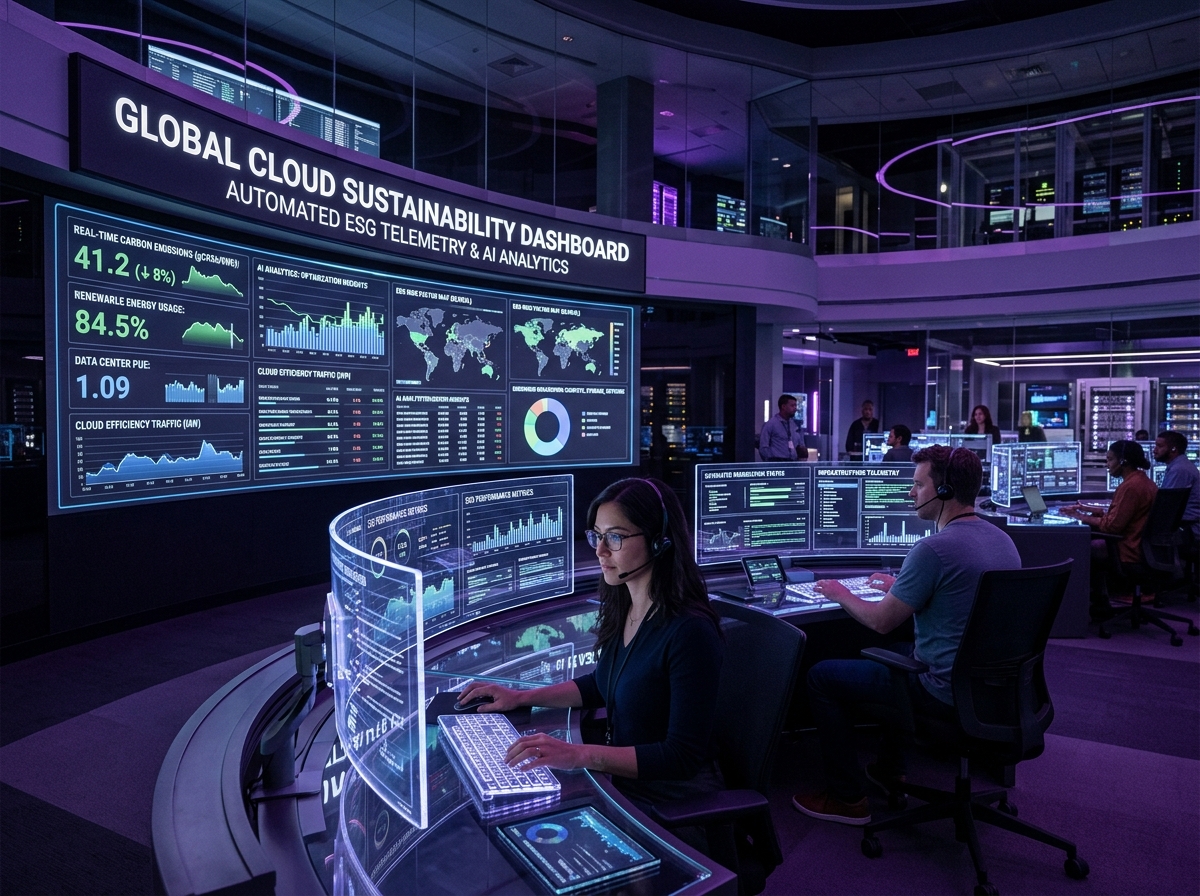
Automated AI Cloud
Technology-Led ESG Programs
Modernizing ESG data collection with automated IoT ingestion, AI-driven data validation, and real-time executive dashboards.
DIRECT ANSWERS & TECHNICAL FAQ
Frequently Asked Questions About ESG Consulting
Practical answers to common questions about ESG consulting, Scope 1–3 emissions, reporting frameworks, and data automation.
What are ESG consulting services?
ESG consulting services help organizations assess environmental, social and governance priorities, establish ESG strategies and metrics, improve data and reporting processes, and implement practical sustainability programs.
What ESG services does Venus provide?
Venus Global Technology provides ESG assessment and strategy, carbon accounting, ESG data management, sustainability reporting, governance and compliance support, ESG analytics and technology-enabled ESG automation.
What is carbon accounting?
Carbon accounting is the process of measuring and documenting an organization’s greenhouse-gas emissions, commonly across Scope 1, Scope 2 and relevant Scope 3 categories.
What are Scope 1, 2 and 3 emissions?
Scope 1 covers direct emissions from owned or controlled sources. Scope 2 covers indirect emissions from purchased energy. Scope 3 covers other relevant indirect value-chain emissions.
What is ESG reporting?
ESG reporting communicates an organization’s environmental, social and governance performance using defined metrics, evidence and applicable reporting frameworks.
Can ESG data collection be automated?
Yes. ESG workflows can be automated by connecting approved operational, financial and other data sources with collection, validation, calculation and reporting processes.
How long does ESG implementation take?
The timeline depends on the organization’s size, data readiness, reporting requirements, number of entities and implementation scope. Venus should confirm the timeline after an initial assessment.
Does Venus provide ongoing ESG support?
Yes. Venus can support ongoing ESG data management, performance monitoring, reporting workflows and continuous improvement where included in the engagement.
Which ESG frameworks do you support?
Venus should list only the frameworks for which it currently provides documented services. The page can include GHG Protocol, ISO 14064, GRI, SASB and ISSB only when those capabilities are actively supported.
Is ESG consulting the same as ESG software?
No. ESG consulting provides strategy, implementation and advisory expertise, while ESG software provides technology for collecting, managing, analyzing and reporting ESG data. Venus can combine technology-enabled workflows with consulting and implementation services.
BEGIN YOUR SUSTAINABILITY JOURNEY
Ready to Build a More Measurable ESG Program?
Start with your current ESG data, reporting requirement or sustainability objective. We’ll help identify the gaps, define the right metrics and outline a practical path to measurement, reporting and improvement.

Michigan, USA
Address
880 W Long Lake Rd Ste 225 | Troy, MI 48098
Phone Number